
Many small business owners focus their marketing efforts on social media, email campaigns, search engine optimisation (SEO), and online advertising. While these digital strategies are important, direct mail marketing for small businesses remains one of the most overlooked yet effective ways to reach potential customers and business partners.
In an era where inboxes are overloaded and online advertisements compete for attention, a personalised business letter can help your company stand out. Whether you are looking to generate leads, build brand awareness, or establish trust within your community, sending letters to businesses can still deliver impressive results.
This guide explains the benefits, costs, return on investment (ROI), and best practices of direct mail marketing in 2026.
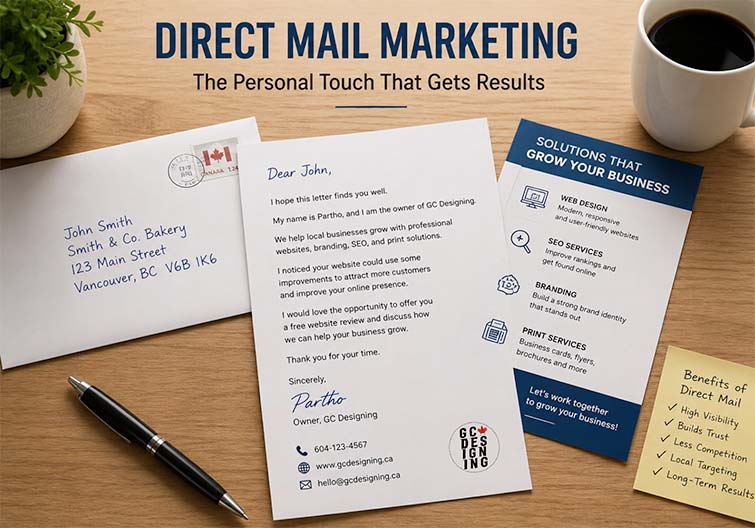
What Is Direct Mail Marketing?
Direct mail marketing is a marketing strategy that involves sending physical promotional materials directly to potential customers or businesses through postal mail.
Common direct mail materials include:
- Personalised letters
- Flyers
- Brochures
- Postcards
- Coupons
- Promotional offers
- Business introductions
Unlike digital marketing channels, direct mail places your message directly into the hands of the recipient.
Why Direct Mail Marketing Still Works
Less Competition Than Email Marketing
The average business owner receives dozens or even hundreds of emails every week. Many marketing emails are deleted without being opened.
A physical letter receives far less competition.
When a business receives mail, there is a much greater chance that someone will physically handle and review it before deciding whether to keep or discard it.
This increased visibility is one reason why direct mail marketing for small businesses continues to be effective.
Creates a Strong First Impression
A professionally written letter demonstrates effort and attention to detail.
Unlike automated email campaigns, a personalised letter feels more intentional and professional. This can help establish credibility before any conversation takes place.
Builds Trust and Brand Recognition
Trust is one of the most valuable assets in business.
A thoughtful business letter can help:
- Build credibility
- Increase brand awareness
- Establish professional relationships
- Generate future opportunities
Even if recipients do not respond immediately, they may remember your business when they need your products or services later.
The Power of Handwritten Business Letters
Why Handwritten Envelopes Get More Attention
One of the simplest ways to improve direct mail response rates is by handwriting the recipient’s address.
A handwritten envelope often appears:
- More personal
- Less promotional
- More important
- More likely to be opened
Many people immediately recognize printed envelopes as advertisements. Handwritten addresses can help your letter stand out from other marketing materials.
Handwritten Signatures Build Credibility
Adding a handwritten signature to your letter creates a personal touch that helps strengthen trust and authenticity.
Small details like these can significantly improve engagement.
Benefits of Sending Letters to Businesses
Increased Visibility
Physical mail is often noticed more than digital advertisements.
Affordable Marketing Strategy
Compared to many advertising channels, direct mail can be cost-effective, especially when targeting local businesses.
Long-Term Exposure
Recipients may keep your letter for future reference.
Local Business Networking
Sending personalised letters can help establish valuable relationships within your community.
Better Brand Awareness
Every letter increases exposure to your business name, products, and services.
How Much Does Direct Mail Marketing Cost?
One of the most common questions small business owners ask is about cost.
Basic Letter Campaign
| Item | Estimated Cost |
| Printed Letter | $0.10 – $0.25 |
| Envelope | $0.10 – $0.20 |
| Postage Stamp | Approximately $1.24 |
| Total Cost Per Letter | Approximately $1.50 |
Letter Plus Flyer Campaign
| Item | Estimated Cost |
| Letter | $0.10 – $0.25 |
| Color Flyer | $0.30 – $1.00 |
| Envelope | $0.10 – $0.20 |
| Postage Stamp | Approximately $1.24 |
| Total Cost Per Recipient | $2.00 – $3.00 |
Example Direct Mail Budget
For a campaign targeting 100 businesses:
- Basic letters: approximately $150
- Letters with flyers: approximately $200 to $300
This makes direct mail one of the more affordable local marketing strategies available.
Understanding Direct Mail ROI
Example Campaign Results
Imagine you send 100 personalized letters.
Possible outcome:
- 10 recipients visit your website
- 3 contact your business
- 1 becomes a paying customer
If that customer spends:
- $500
- $1,000
- $2,000 or more
Your direct mail campaign may generate a positive return on investment from a single client.
This is why many successful companies continue to invest in direct mail advertising despite the growth of digital marketing.
Potential Drawbacks of Direct Mail Marketing
Lower Response Rates
Not everyone will respond.
Typical response rates range from 1% to 5%.
Time Investment
Preparing personalized letters requires:
- Research
- Printing
- Envelope preparation
- Mailing
Upfront Costs
Unlike email marketing, direct mail requires an initial investment.
Tracking Challenges
Without tracking tools, measuring results can be difficult.
How to Improve Direct Mail Results
Personalise Every Letter
Generic letters are less effective.
Personalised communication increases engagement and trust.
Include a Clear Call to Action
Tell recipients exactly what you want them to do next.
Examples:
- Call your business
- Visit your website
- Schedule a consultation
- Request information
Add a QR Code
QR codes make it easy for recipients to access your website or special offer instantly.
Follow Up
Following up by phone or email after the letter is delivered can significantly improve conversion rates.
Target the Right Audience
Focus your efforts on businesses and customers most likely to benefit from your products or services.
Direct Mail vs Digital Marketing
Many business owners view direct mail and digital marketing as competitors. In reality, they work best together.
An effective marketing strategy may combine:
- Direct mail marketing
- Search engine optimisation (SEO)
- Social media marketing
- Email marketing
- Google Ads
- Content marketing
Using multiple channels increases brand exposure and improves customer acquisition opportunities.
Final Thoughts
Direct mail marketing for small businesses continues to be a powerful tool in 2026. While digital marketing dominates much of today’s business landscape, personalised letters offer a unique opportunity to capture attention, build trust, and create meaningful connections.
Whether you are looking to increase local visibility, generate leads, strengthen customer relationships, or grow your business, sending personalised business letters remains a proven and affordable marketing strategy.
By combining professional presentation, personalisation, handwritten elements, and strategic follow-up, small business owners can achieve impressive results from direct mail campaigns and gain a competitive advantage in their local market.
for more information or any help call me at 778-709-2616